Beat the Heat: A Common-Sense Guide for MN Cannabis Industry

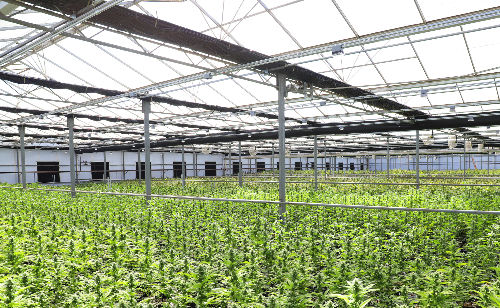
Spring is in the air, and summer is just around the corner. For Minnesota cannabis operators, this change in season means it's time to start planning for heat illness prevention. Regardless of whether you manage an indoor flower room, greenhouse, or outdoor grow, taking proactive steps is essential to keep your team safe and your harvest on track as temperatures climb.
Though plants may thrive in warmer conditions, people need effective climate control to stay healthy. MN OSHA (MNOSHA) and the Minnesota Department of Health (MDH) have outlined clear guidelines for heat safety. By understanding how humidity and sun exposure impact the real feel of your workspace, you can safeguard your crew’s well-being and maintain optimal efficiency throughout the season.
Since Minnesota has specific rules for indoor heat (MN Rule 5205.0110), it’s important to plan ahead and ensure both your team’s safety and your harvest schedule are maintained. For operations, excessive heat isn’t just about comfort, it can hinder productivity. When workers overheat, concentration drops, leading to increased mistakes.
Know Your Numbers: The Heat Index
We’ve all heard the phrase, "it’s not the heat, it’s the humidity." The Heat Index is a measure of how hot it really feels when relative humidity is combined with the actual air temperature.
The Evaporation Engine: The human body cools itself through the evaporation of sweat. In high-humidity environments, the air is already saturated with moisture, which prevents sweat from evaporating effectively.
The Real Feel Indoors: Because sweat can't evaporate, the body’s internal temperature rises much faster. In a room with 70% humidity, an 80°F air temperature can feel like 85°F to your workers.
The Sun Tax Outdoors: If your team is working in direct sunlight (such as in a greenhouse or outdoor field), you must add 15°F to the Heat Index to account for solar loading. A reported heat index of 80°F quickly becomes a "feels like" temperature of 95°F in the sun.
Easing In: Support for New Workers
New workers, or those returning from a long break, are the most at risk for heat illness because their bodies haven't yet adjusted to the environment. Rather than a rigid schedule, focus on "easing in":
Monitor and Mentor: For the first week, keep a closer eye on new hires.
Self-Pacing: Encourage all workers, especially new ones, to self-pace. Remind them that it is okay to slow down or step into a cooler area if they feel the heat rising.
The "Buddy System": Pair a new hire with a veteran worker who knows the early signs of heat fatigue, such as heavy sweating or a sudden drop in pace.
Protecting the Individual: Personal Risk Factors
While the Heat Index provides a baseline for the environment, heat illness is deeply personal. Every body responds to thermal stress differently, and what feels like a "warm day" to one person can be a medical emergency for another.
Hydration and Diet: Dehydration is the fastest way to trigger heat exhaustion. Additionally, consuming caffeine or energy drinks can increase the heart rate and act as a diuretic, making it harder for the body to stay cool.
Health Conditions: Common conditions like high blood pressure, diabetes, or heart disease can affect the body's ability to circulate blood and cool the skin.
Medications: Many everyday medications, including some over-the-counter allergy meds, blood pressure prescriptions, and even certain antidepressants, can interfere with sweating or cause the body to heat up more quickly.
Recent Illness: If a worker has recently had a fever, stomach flu, or even a bad hangover, their body is already starting at a disadvantage.
Age and Fitness: Generally, very young or older workers, as well as those who are not physically used to the exertion levels, will feel the impact of the Heat Index much sooner.
What are the Practical Steps for a Cool Workplace?
When the Heat Index hits 80°F, it’s time to activate your Heat Illness Prevention Plan:
Cool-Down Zones: Ensure your crew has a designated spot, like a climate-controlled office or breakroom, to fully recover during breaks.
Increase Breaks: As the heat index rises, increase the frequency and duration of breaks. Shorter, more frequent breaks in a cool area are more effective than one long break after a person is already overheated.
Hydration Stations: Provide cool water as close to the work area as possible. Minnesota Department of Health recommends drinking about one cup (8 ounces) of water every 15–20 minutes when working in the heat.
Dress for the Heat: Encourage workers to wear moisture-wicking fabrics or lightweight cotton that allows air to circulate and sweat to evaporate.
Sun Protection Outdoors: For those working in the field or in clear-roof greenhouses, clothing is the first line of defense against UV radiation and solar loading. Wearing a wide-brimmed hat is essential for providing shade to the face, neck, and ears. opting for light colors like whites, tans, or light grays helps reflect solar rays. Wearing lightweight, loose-fitting, UV-rated (UPF) long sleeves can protect the skin from sun damage while still allowing enough airflow to keep the body cool.
Heat Resources
For more detailed planning and real-time monitoring, utilize these expert resources:
MN Department of Health: Know the Signs and Symptoms of Heat Illness (PDF)
MN Department of Health: Stay Safe When It’s Hot (PDF)
AIHA Heat Stress Mobile App - A great tool for calculating the index on the fly.
MNOSHA Heat Stress Guide - The formal requirements for Minnesota workplaces.
The Bottom Line
A warm afternoon can quickly become a medical emergency as the Heat Index rises. If the body's cooling system fails, heat exhaustion may progress rapidly to heat stroke, demanding immediate medical attention. Prevent heat-related crises with proactive planning, risk monitoring, and self-pacing. Train leads to spot early symptoms and ensure everyone knows how to act in emergencies. By supervising new staff and tracking the Heat Index, you keep your facility safe and productive throughout summer.
For more information about this or other environmental, health, and safety topics, check out our Cannabis Industry Solutions page. If you would like an assessment of your facility or procedures, please contact us for a consultation.