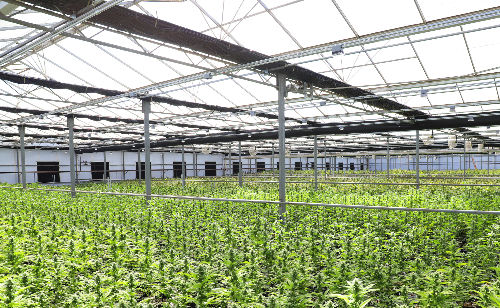
Balancing Light Quality and Worker Safety in Cannabis Cultivation

When designing a commercial indoor cultivation facility, lighting is calculated in terms of photosynthetically active radiation (PAR), micromoles per square meter, and energy overhead. Choosing a specific lighting layout, whether it is double-ended High-Pressure Sodium (HPS) fixtures, ceramic metal halides (CMH), or targeted spectrum LEDs, is driven by crop science. Certain light wavelengths, specifically ultraviolet (UV-A and UV-B) and intense infrared (IR), stimulate the cannabis plant to protect itself by producing extra trichomes, terpenes, and cannabinoids like THC.
However, high-intensity artificial light spectrums introduce physical hazards to the work environment. For facility owners and cultivation directors, managing these hazards requires evaluating structural variables and implementing matched controls to maintain regulatory compliance without disrupting canopy management or biosecurity.
What are the hazards of Wavelength Overexposure?
The primary medical hazard of working unprotected under heavy cultivation lighting is a condition called photokeratitis.
Photokeratitis is a painful inflammation of the cornea (the clear surface of the eye) caused by ultraviolet energy. The symptoms typically do not appear immediately during exposure; instead, they peak 6 to 12 hours after the shift is complete.
Affected workers may experience:
Severe tearing and bloodshot, watery eyes
Blurred vision or extreme sensitivity to ambient light
A painful, gritty sensation, often described as feeling like the eyes are full of sand
While acute photokeratitis is usually temporary, chronic overexposure to these wavelengths can lead to long-term eye damage, including early cataracts. Additionally, high-intensity metal halide fixtures, frequently utilized in vegetative rooms to promote short internodal spacing, emit significant raw UV radiation if their protective outer glass envelopes crack or break. This radiation can cause skin reddening (sunburn) on exposed faces, necks, and arms, which can be accelerated if a worker is taking photosensitizing medications.
Are there Eyewear Requirement Standards Under OSHA?
When addressing grow room lighting hazards, providing standard commercial sunglasses or generic tinted safety glasses does not establish regulatory compliance.
Under OSHA Standard 29 CFR 1910.133 (Eye and Face Protection) and relevant equipment performance standards like ANSI Z87.1, protective eyewear must be specifically rated for the precise type and wavelength of radiation hazard present.
Generic dark lenses reduce visible glare, but they frequently fail to block specific UV or infrared bands. Because dark lenses cause the wearer's pupils to dilate, wearing non-rated tinted eyewear can actually allow more harmful, unfiltered ultraviolet radiation into the eye if the lens material lacks the proper chemical filtering properties.
Determining and Designing Targeted Controls
Protecting worker vision and insulating a business from liability requires systematic facility evaluation and engineering controls:
Complete a Wavelength-Specific Hazard Assessment
Review the manufacturer technical specifications for every lamp and fixture type active in the facility. It is critical to distinguish between zones: standard single- or double-ended HPS lamps emit heavy red and far-red spectrums with nominal UV, whereas metal halides or LEDs with supplemental UV chips present distinct radiation profiles. Under OSHA rule 29 CFR 1910.132, employers must document a formal PPE Hazard Assessment certifying that eye protection has been selected based on the specific technical parameters of each room's fixtures.
Sourcing Certified "Grower's Eyewear"
Instead of generic safety glasses, select specialized hydroponic grow-room glasses engineered specifically for commercial agriculture. These lenses fully filter the specific hazardous UV/IR bands while color-correcting the intense color distortion of the room, such as the yellow-orange glow of HPS lights or the magenta hue of blurple LEDs. This color optimization is operationally vital; it allows your cultivation team to accurately execute canopy inspections, diagnose early nutrient deficiencies (like magnesium chlorosis), and spot pests like spider mites or aphids before they jeopardize the crop.
Implementing Skin Barriers and Biosecurity Wear
High-output light grids can cause skin damage over an 8-hour shift. Providing lightweight, long-sleeved facility scrubs, coveralls, or specialized UV-protective athletic sleeves eliminates direct skin contact with the light canopy. More importantly, requiring facility-dedicated apparel that is laundered regularly serves a dual purpose: it protects workers from accumulated plant resins and chemical residues while strictly enforcing your Integrated Pest Management (IPM) and biosecurity protocols, preventing the cross-contamination of crop-damaging pathogens like Powdery Mildew (Golovinomyces) between vegetative and flowering rooms.
Establishing Equipment Maintenance and Replacement Protocols
For fixtures like metal halides, the outer glass bulb acts as the primary shield that filters out the inner arc tube's raw UV output. If a bulb's outer glass cracks or breaks, the safety shield is compromised, and the bulb will flood the workspace with dangerous levels of raw radiation. Standard operating procedures should require staff to immediately cut power and replace any damaged light fixtures during daily room walkthroughs.
Summary: Design Worksite-Specific Solutions for your Hazards
Managing a commercial cultivation facility requires a structured approach to risk management that respects both plant physiology and industrial hygiene. High-intensity grow lights are essential for maximizing crop yield, but they introduce physical radiation hazards that must be addressed.
Determining the right safety solution takes intentional, worksite-specific evaluation of your equipment, layout, and job tasks. Protecting your workforce and maintaining compliance cannot be achieved through generic shortcuts; it requires a systematic review of all physical, chemical, and biological hazards. By conducting thorough hazard assessments and designing precise engineering and administrative controls, facility owners can ensure that operational productivity, crop protection, and worker safety go hand-in-hand.
Disclaimer:
This article is for educational and informational purposes only and does not constitute formal legal or regulatory compliance advice. Employers should seek a site-specific hazard assessment to determine their exact OSHA or state-level requirements. To schedule your site's hazard assessment, use our contact form and we will connect with you to set up a visit.